On any given day we're lied to from 10 to 200 times, and the clues to detect those lie can be subtle and counter-intuitive. Pamela Meyer, author of Liespotting, shows the manners and "hotspots" used by those trained to recognize deception -- and she argues honesty is a value worth preserving.
The episode compares telescopes in space and on the ground, explaining their different strengths, limitations and complementary roles.
Credit: ESA/Hubble (M. Kornmesser, L. L. Christensen & R. Shida), Luis Calçada, ESO, Spitzer Space Telescope, Keck Observatory, Subaru Observatory
Dan Gilbert, author of "Stumbling on Happiness," challenges the idea that we’ll be miserable if we don’t get what we want. Our "psychological immune system" lets us feel truly happy even when things don’t go as planned.
Detailed Hubble observations uncover the delicate filaments and shock fronts of the Veil Nebula, the remains of an ancient supernova.
Credit: ESA/Hubble (M. Kornmesser & L. L. Christensen)
David Gallo shows jaw-dropping footage of amazing sea creatures, including a color-shifting cuttlefish, a perfectly camouflaged octopus, and a Times Square's worth of neon light displays from fish who live in the blackest depths of the ocean. This short talk celebrates the pioneering work of ocean explorers like Edith Widder and Roger Hanlon.
Hubble observations help astronomers investigate the early history of stars and galaxies, bringing science closer to understanding cosmic origins.
Credit: ESA/Hubble (M. Kornmesser & L. L. Christensen), Hubble Ultra Deep Field and GOODS Flythroughs: NASA, ESA and F. Summers (STScI)
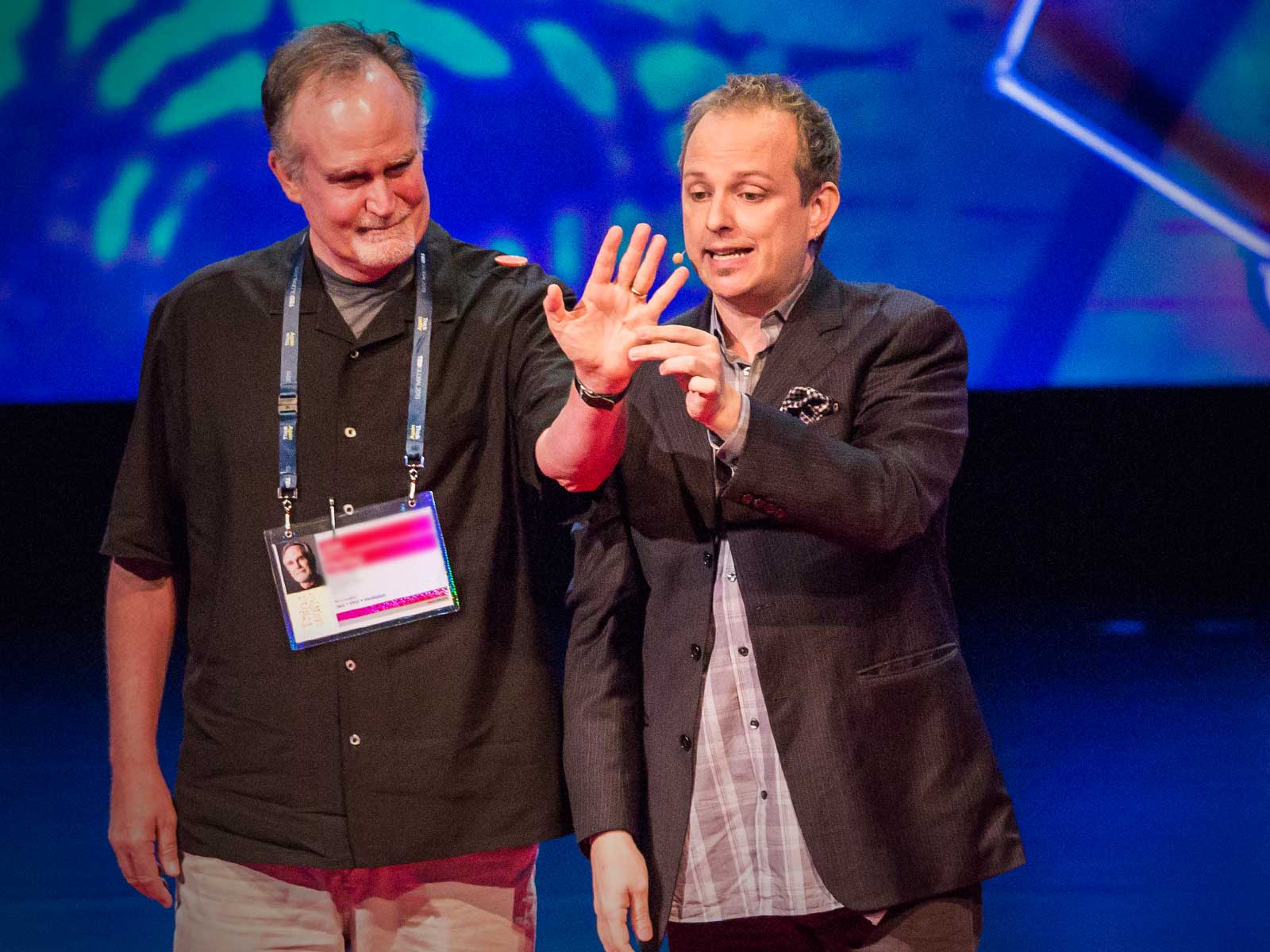
Hailed as the greatest pickpocket in the world, Apollo Robbins studies the quirks of human behavior as he steals your watch. In a hilarious demonstration, Robbins samples the buffet of the TEDGlobal 2013 audience, showing how the flaws in our perception make it possible to swipe a wallet and leave it on its owner’s shoulder while they remain clueless.
Hubble reveals an extreme young star cluster where massive stars and energetic radiation illuminate a region of intense stellar birth.
Credit: ESA/Hubble (M. Kornmesser & L. L. Christensen)
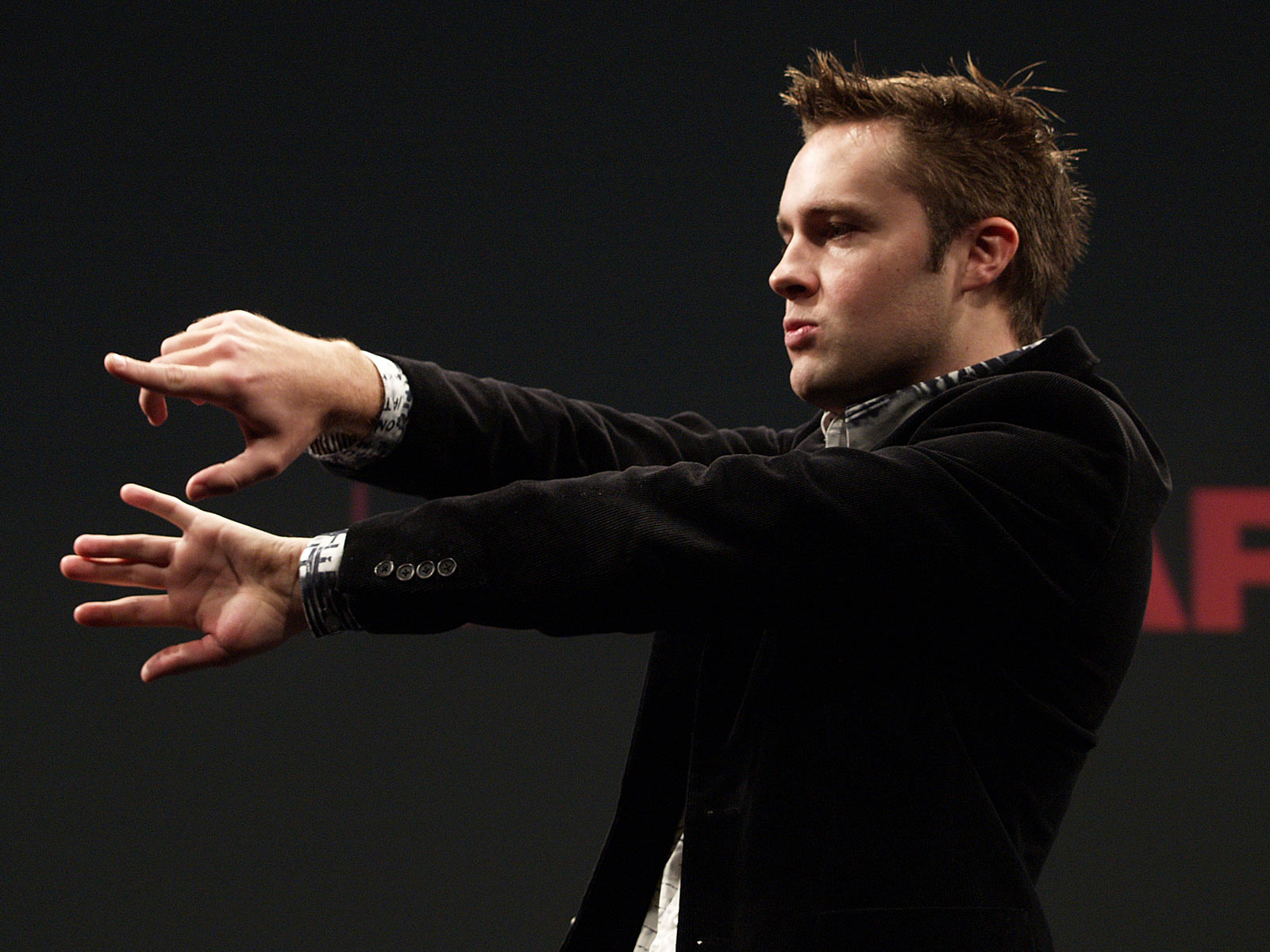
First, Keith Barry shows us how our brains can fool our bodies -- in a trick that works via podcast too. Then he involves the audience in some jaw-dropping (and even a bit dangerous) feats of brain magic.
The episode goes behind the scenes to explain how scientific Hubble data are processed and transformed into informative colour images.
Credit: ESA/Hubble (M. Kornmesser & L. L. Christensen)
Elizabeth Gilbert muses on the impossible things we expect from artists and geniuses -- and shares the radical idea that, instead of the rare person "being" a genius, all of us "have" a genius. It's a funny, personal and surprisingly moving talk.
A detailed Hubble image of spiral galaxy Messier 74 reveals sweeping arms, glowing hydrogen regions and populations of young blue stars.
Credit: ESA/Hubble (M. Kornmesser & L. L. Christensen)