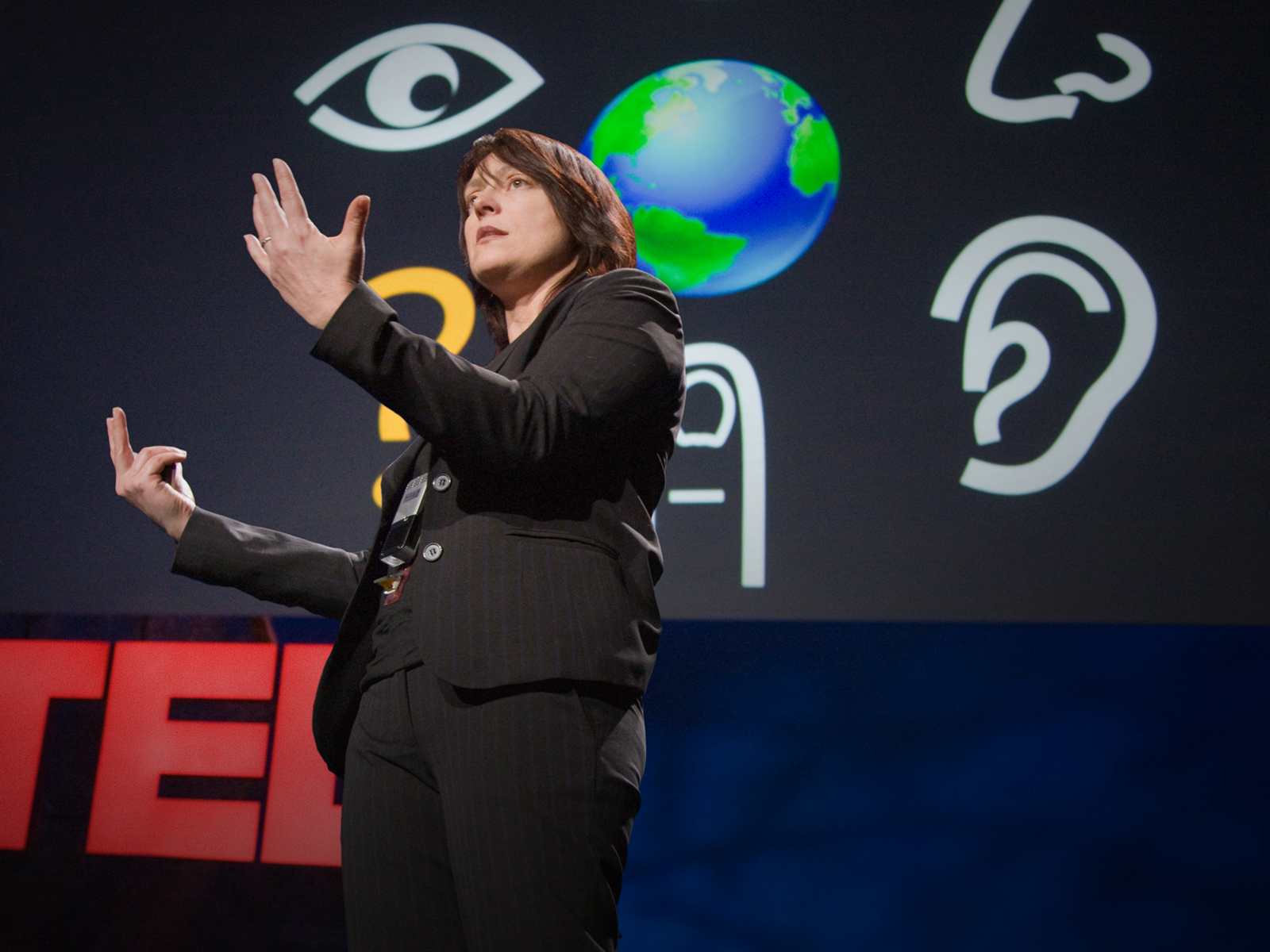
This demo -- from Pattie Maes' lab at MIT, spearheaded by Pranav Mistry -- was the buzz of TED. It's a wearable device with a projector that paves the way for profound interaction with our environment. Imagine "Minority Report" and then some.
After its final servicing mission, Hubble opens its rejuvenated eyes and presents new images together with the science made possible by its upgraded instruments.
Credit: ESA/Hubble (M. Kornmesser, Colleen Sharkey & Lars Lindberg Christensen)
Psychologist Barry Schwartz takes aim at a central tenet of western societies: freedom of choice. In Schwartz's estimation, choice has made us not freer but more paralyzed, not happier but more dissatisfied.
Anthropologist Helen Fisher takes on a tricky topic – love – and explains its evolution, its biochemical foundations and its social importance. She closes with a warning about the potential disaster inherent in antidepressant abuse.
Clinical psychologist Meg Jay has a bold message for twentysomethings: Contrary to popular belief, your 20s are not a throwaway decade. In this provocative talk, Jay says that just because marriage, work and kids are happening later in life, doesn’t mean you can’t start planning now. She gives 3 pieces of advice for how twentysomethings can re-claim adulthood in the defining decade of their lives.
Don't make people pay for music, says Amanda Palmer: Let them. In a passionate talk that begins in her days as a street performer (drop a dollar in the hat for the Eight-Foot Bride!), she examines the new relationship between artist and fan.
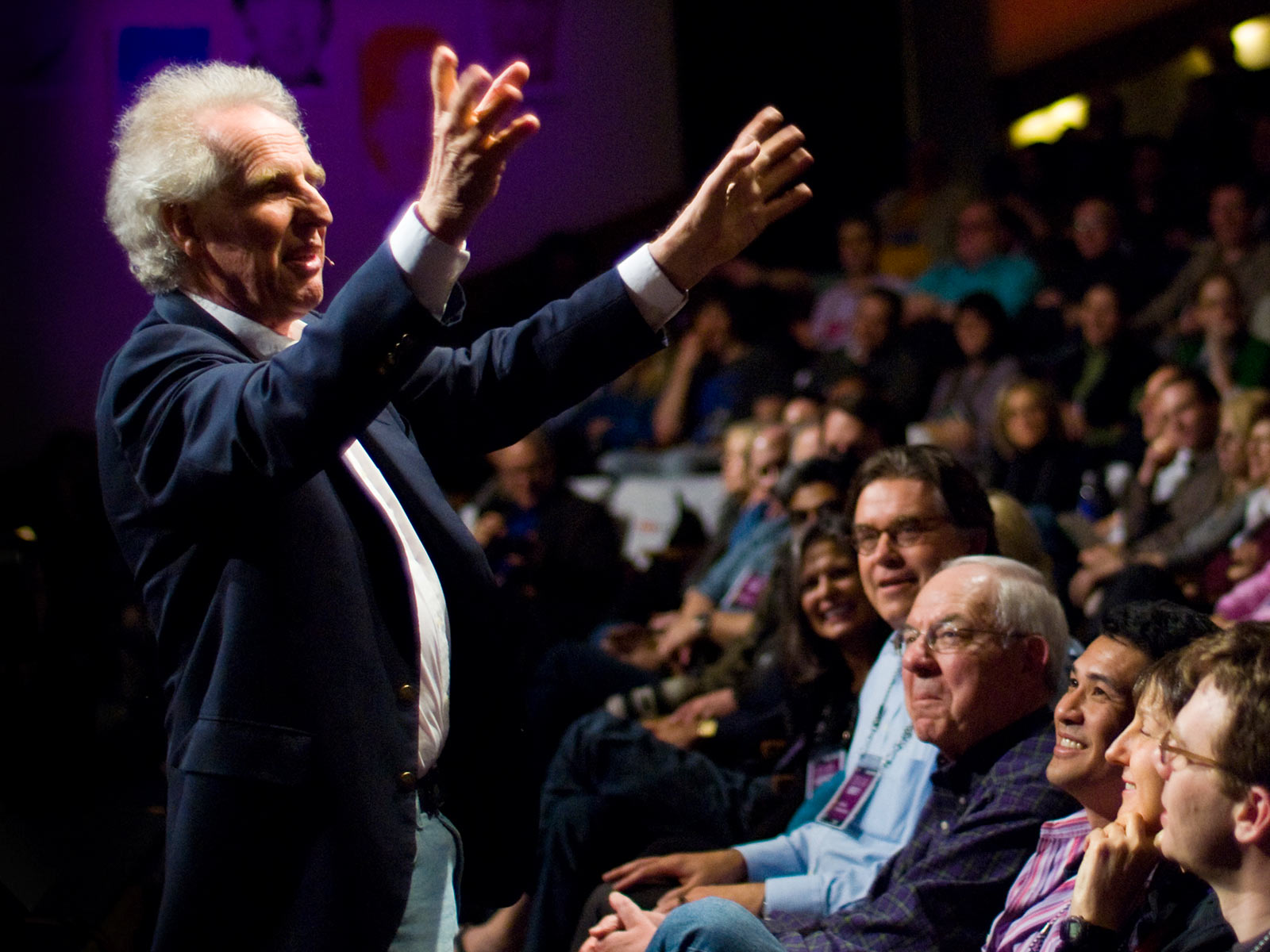
Benjamin Zander has two infectious passions: classical music, and helping us all realize our untapped love for it -- and by extension, our untapped love for all new possibilities, new experiences, new connections.
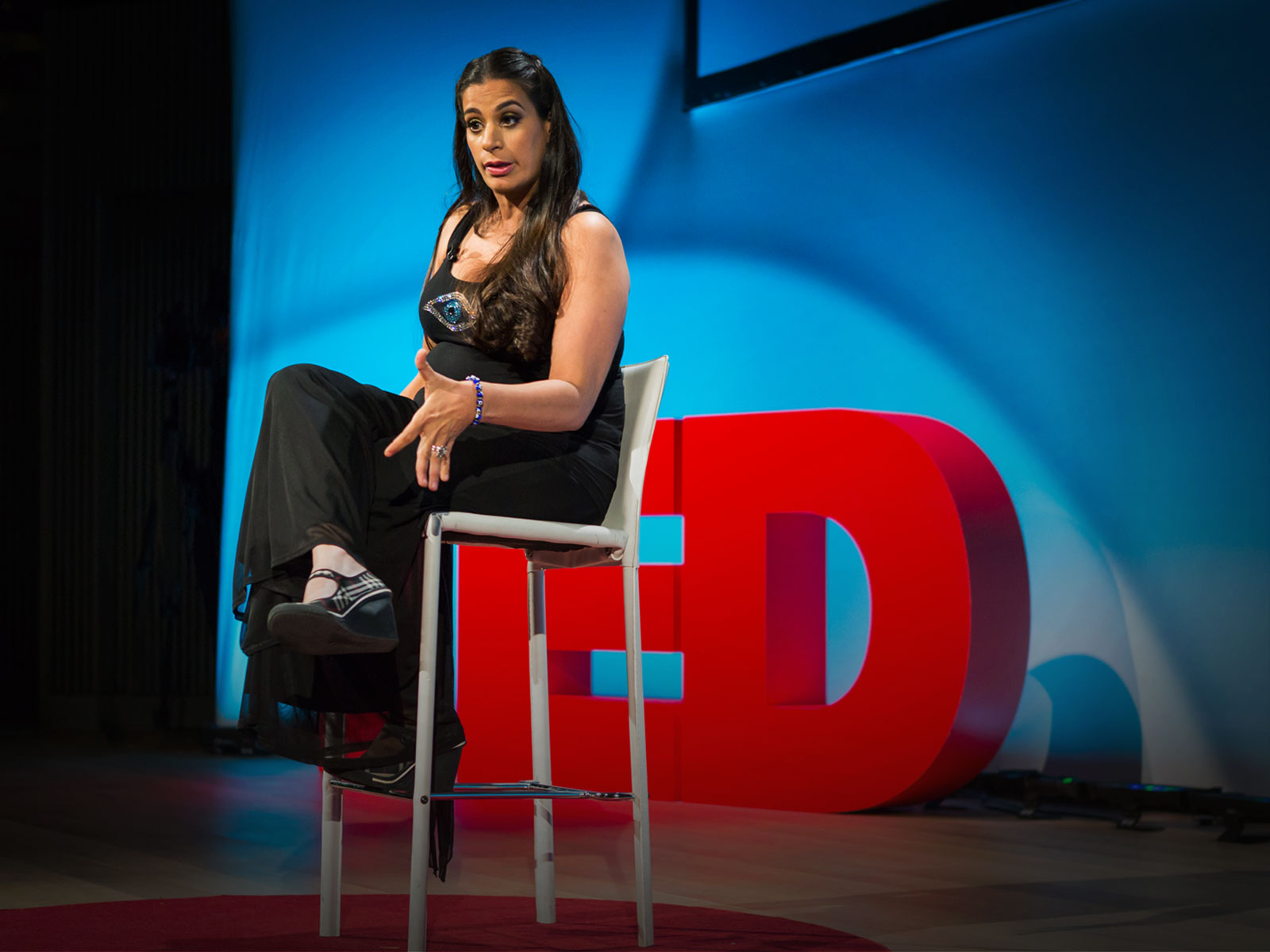
"I have cerebral palsy. I shake all the time," Maysoon Zayid announces at the beginning of this exhilarating, hilarious talk. (Really, it's hilarious.) "I'm like Shakira meets Muhammad Ali." With grace and wit, the Arab-American comedian takes us on a whistle-stop tour of her adventures as an actress, stand-up comic, philanthropist and advocate for the disabled.
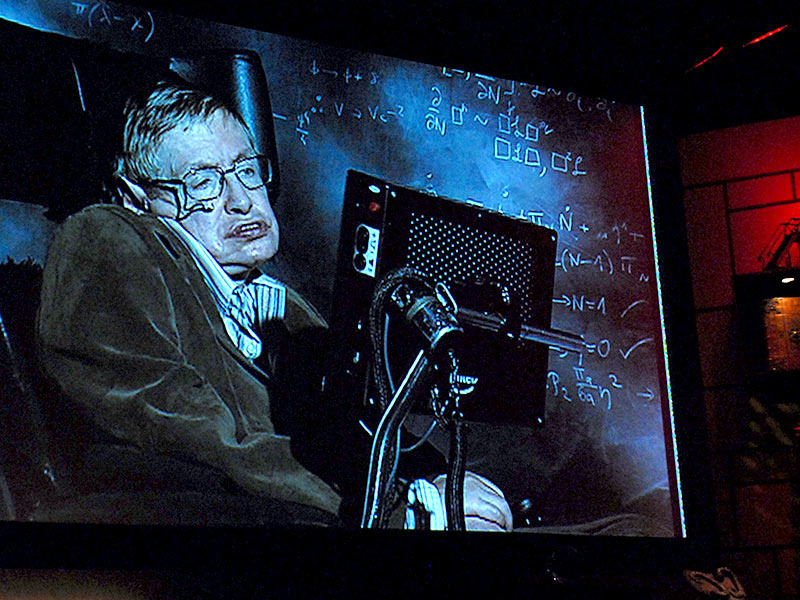
In keeping with the theme of TED2008, professor Stephen Hawking asks some Big Questions about our universe -- How did the universe begin? How did life begin? Are we alone? -- and discusses how we might go about answering them.
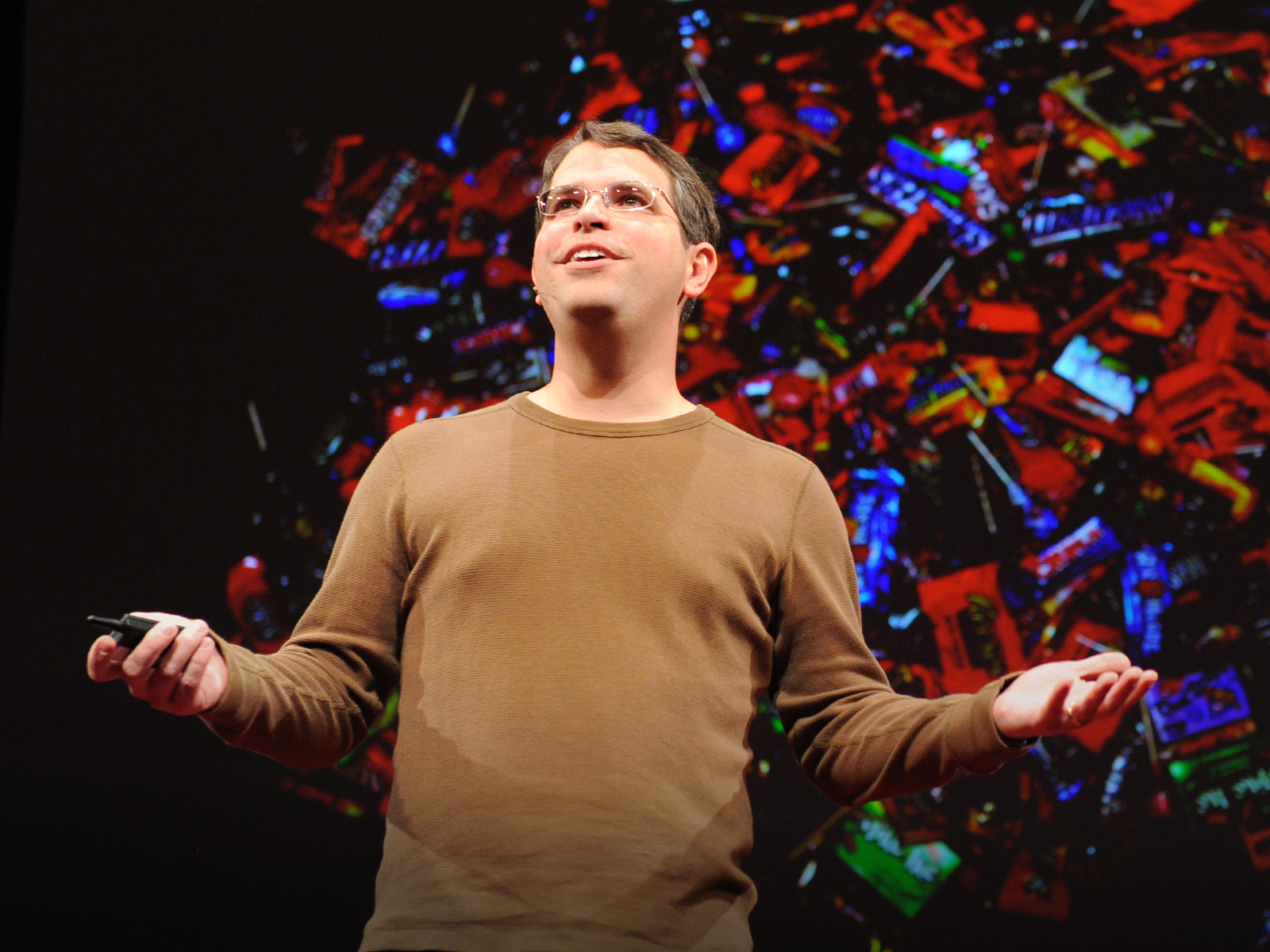
Is there something you've always meant to do, wanted to do, but just ... haven't? Matt Cutts suggests: Try it for 30 days. This short, lighthearted talk offers a neat way to think about setting and achieving goals.
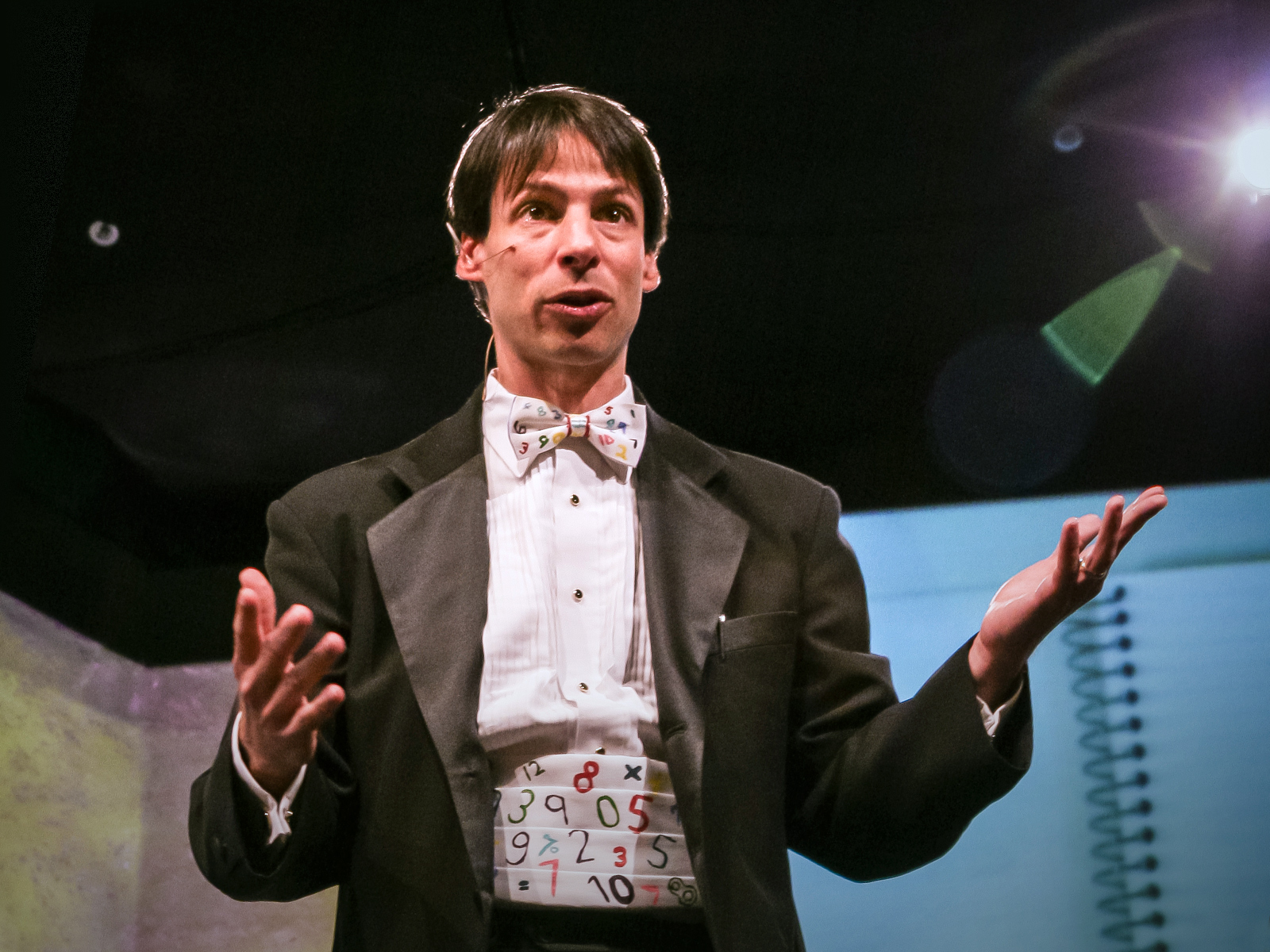
In a lively show, mathemagician Arthur Benjamin races a team of calculators to figure out 3-digit squares, solves another massive mental equation and guesses a few birthdays. How does he do it? He’ll tell you.